
- Solve real problems with our hands-on interface
- Progress from basic puts and calls to advanced strategies
Interactive Options Course
Posted June 10, 2026 at 10:51 am
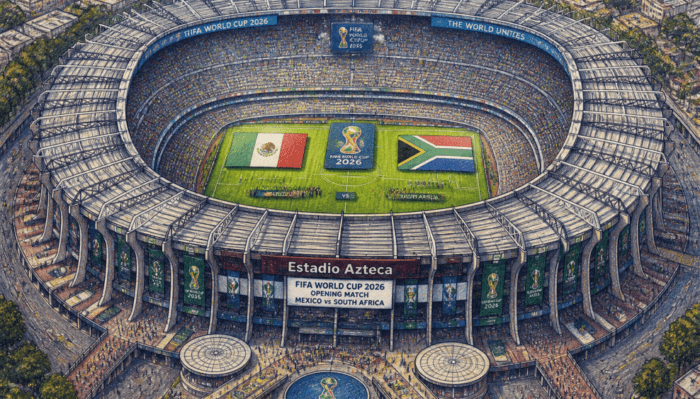
From June 11 to July 19, the men’s football (soccer) World Cup will sprawl across three countries, 16 host cities, 48 teams, and 104 matches, the largest edition the governing body FIFA has ever staged.
What happens inside the stadiums is just one part of the story. Hotels fill up, public transit systems heave under strain, ad slots sell out, TV streaming spikes, and local businesses hope for a surge. For a short window, entire cities live and breathe a single event.
FIFA says the tournament will add $40.9 billion to the world economy, with host countries getting the biggest chunk: a projected $30.5 billion boost for the US, Canada, and Mexico.
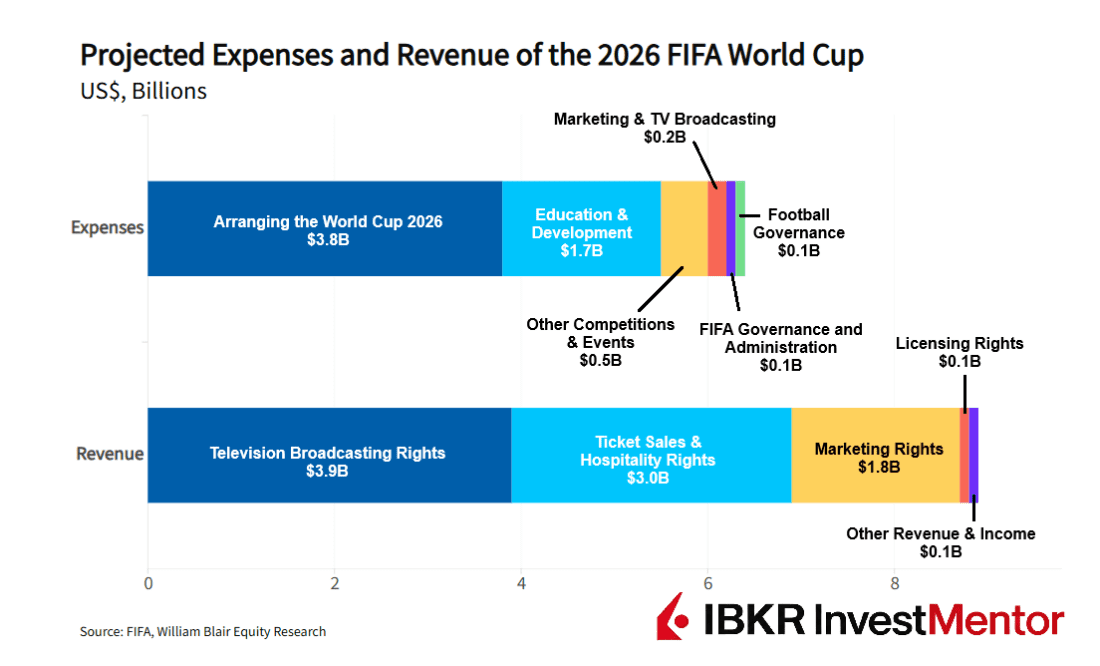
But that money is much less certain than the income streaming straight into FIFA’s pockets from ticket sales, hospitality rights, and broadcasting deals. This four-year financial cycle is set to be record-breaking for FIFA, with the tournament year alone expected to generate $8.9 billion, bringing the total for the cycle to $13 billion — a 72% rise on the previous one that culminated in the Qatar World Cup.

FIFA has built one of the most efficient cash machines in sport. Host cities are there to make the show possible and then work out afterward whether the applause was worth the invoice.
World Cups only happen every four years, so getting to host one seems like a lottery win. But it’s FIFA who gets all ticket sales. The new dynamic pricing has resulted in record-high ticket prices, with many early tournament tickets selling for around $1,000. For just parking, the average charge is $175.
Furthermore, FIFA has demanded a sales tax exemption for ticket sales. The cities used to get a cut from drinks and food served at the stadium, but even that has been scrapped. This leaves host cities relying on the potential tourism boost alone. Unfortunately, many cities have struggled to secure the bookings. The American Hotel & Lodging Association (AHLA) has flagged that hotel bookings are well below expectations in nearly every US host city, with Canada and Mexico outpacing all but one American host.
Tightened immigration rules may give some potential US visitors pause, and sky-high ticket prices aren’t helping. Many hotels also priced match-day stays too high at the start and are now selling the nights at a discount.
Regardless of whether the masses arrive, the cities must budget for policing, crowd control, public transport, and stadium retrofits. At least the infrastructure for this tournament was largely already in place, with no entirely new stadiums built specifically for this event.
It’s hard to estimate the full price tag for the hosts at this point, but some numbers are trickling in. Canada’s Budget Office estimates a price tag of 765 million US dollars for their part of the tournament. Meanwhile, in the US, $625 million in federal funding has been earmarked just for security. New York and New Jersey governments have estimated that their region alone will pay for about half a billion dollars to arrange the World Cup, plus some other summer mega events.
This World Cup arrives at a moment when the US is becoming a powerhouse in football’s commercial life. Major League Soccer said its live match viewership was up 62 percent year over year in early 2026, and more Americans are playing the game too, either professionally or as a hobby. American investors now own a majority of 117 European clubs, according to the CIES data cited by the Financial Times.
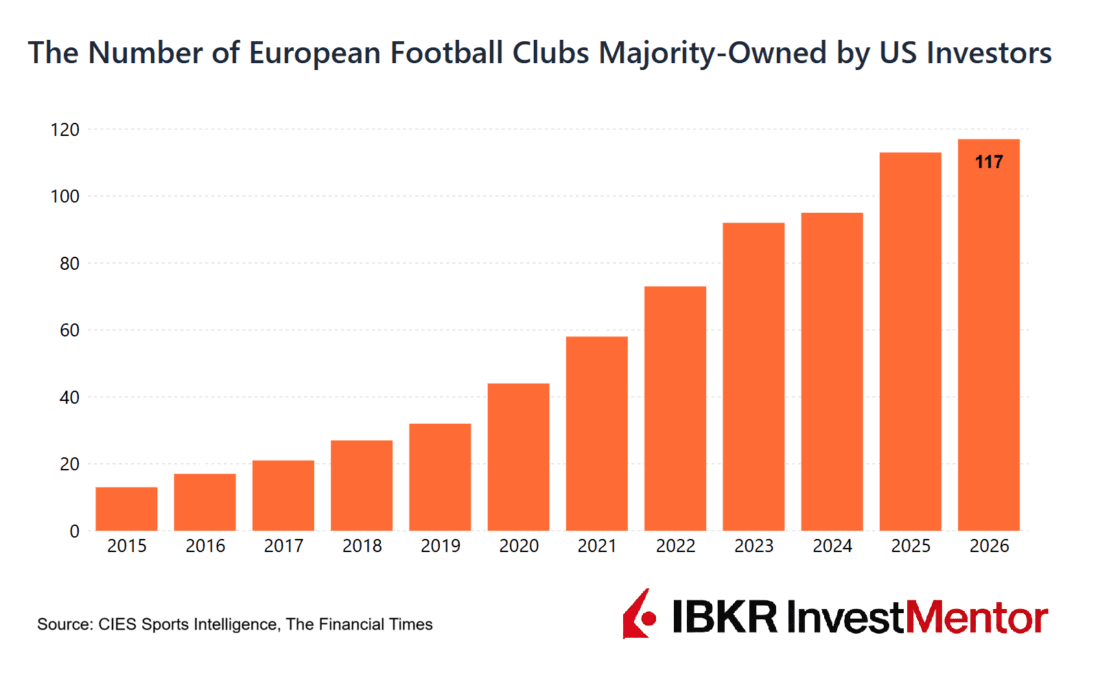
American money has brought a more openly commercial logic to football: more premium seating, more sponsor inventory, more pressure to squeeze every spare inch of value from the matchday experience and the broadcast window.
This monetizing approach is also apparent in the dynamic pricing of the World Cup tickets. FIFA president Gianni Infantino has defended the pricing by arguing that in the US, “entertainment is the most developed in the world,“ adding that FIFA is only asking for “market rates.”
Infantino has described the World Cup as “104 Super Bowls” combined, with 6 billion viewers expected across the matches. Broadcasting is the biggest revenue engine of the World Cup, and none of this money goes to the host cities.
How FIFA sells those broadcasting rights is its own complicated game, depending on the region, and FIFA doesn’t always come out on top in every deal.
For example:
But regardless of the complications, FIFA management can relax and enjoy the matches. Much of the tournament’s value has already been monetized before kickoff.
So, does this spectacle matter to everyday investors? Some sectors have skin in the game, although the impact may be moderate.
Then there’s the famous victor’s boost, which, according to William Blair Equity Research, has some truth to it. World Cup-winning countries have outperformed global equities by an average of 5.5 percent in the month after victory since 1974. But these sentiment-driven effects tend to fade in about three months and disappear during recessions or broader crises.
To learn more about how major events shape markets and the economy, you can explore IBKR InvestMentor, a free app with interactive lessons and explainers.
IBKR InvestMentor (dba “InvestMentor”) is a service of Interactive Academy LLC, an affiliate of IB LLC and majority-owned by IBG LLC. All content provided by InvestMentor is for informational and educational purposes only and should not be interpreted as implying any sponsorship, partnership, endorsement, recommendation, or approval by IB LLC or its affiliates.
Information posted on IBKR Campus that is provided by third-parties does NOT constitute a recommendation that you should contract for the services of that third party. Third-party participants who contribute to IBKR Campus are independent of Interactive Brokers and Interactive Brokers does not make any representations or warranties concerning the services offered, their past or future performance, or the accuracy of the information provided by the third party. Past performance is no guarantee of future results.
This material is from InvestMentor, an affiliate of Interactive Brokers LLC, and is being posted with its permission. The views expressed in this material are solely those of the author and/or InvestMentor and Interactive Brokers is not endorsing or recommending any investment or trading discussed in the material. This material is not and should not be construed as an offer to buy or sell any security. It should not be construed as research or investment advice or a recommendation to buy, sell or hold any security or commodity. This material does not and is not intended to take into account the particular financial conditions, investment objectives or requirements of individual customers. Before acting on this material, you should consider whether it is suitable for your particular circumstances and, as necessary, seek professional advice.
IBKR InvestMentorSM is a service of Interactive Academy LLC, an affiliate of IB LLC and majority-owned by IBG LLC. All content provided by IBKR InvestMentorSM is for informational and educational purposes only and should not be interpreted as implying any sponsorship, partnership, endorsement, recommendation, or approval by IB LLC or its affiliates.
For specific platform feedback and suggestions, please submit it directly to our team using these instructions.
If you have an account-specific question or concern, please reach out to Client Services.
We encourage you to look through our FAQs before posting. Your question may already be covered!
Related Articles















For the reason that the admin of this website is working,
no question very soon it will be renowned, due to its quality contents.