- Solve real problems with our hands-on interface
- Progress from basic puts and calls to advanced strategies
Interactive Options Course
Posted October 15, 2026 at 10:15 am
WTI rose to $96.13 while Brent slipped to $105, as September PPI posted its biggest monthly jump since March 2022 and Treasury yields eased.
What’s going on here?
Oil and gold moved in opposite directions: WTI crude climbed to $96.13 after projectiles hit two container ships in the Strait of Hormuz, while Brent slipped to $105 as investors digested a hotter-than-expected US inflation read.
What does this mean?
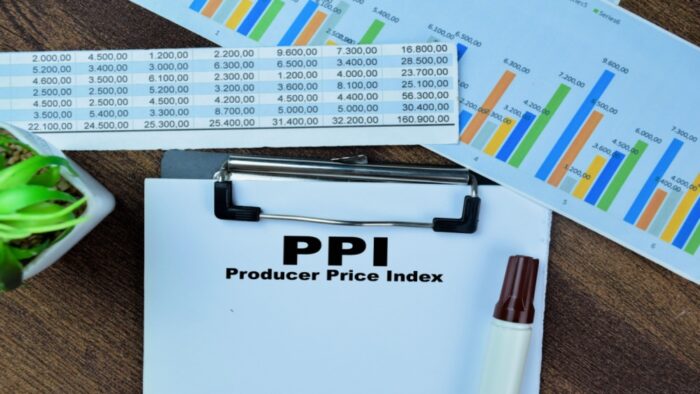
Traders were balancing two storylines at once: fresh Middle East shipping risk and a jump in US producer inflation, which can feed through to consumer prices over time. The Producer Price Index rose 1.3% in September, the biggest monthly increase since March 2022, and was up 6.3% from a year earlier. Normally, sticky inflation pushes government bond yields higher, since investors demand more compensation for rising prices. But Treasury yields eased anyway, which helped gold rally as the metal tends to look more attractive when yields fall.
The weirder signal came from crude. Brent is the global benchmark most exposed to seaborne disruptions, because it reflects the cost and risk of moving oil by ship, including insurance and rerouting. WTI, by contrast, is more tied to the US market and inland pipelines. So when Brent fails to outperform WTI on a Hormuz scare, traders are often saying: “This looks like a headline shock, not a lasting hit to supply.”
Why should I care?
For markets: WTI at $96.13 while Brent slips to $105 is a live read on how serious Hormuz risk looks.
If the Strait of Hormuz risk were being priced as a sustained supply problem, Brent would usually pick up a bigger premium than WTI, since it’s the benchmark most affected by shipping costs and potential delays. The fact that it didn’t suggests investors are distinguishing between scary news and actual barrels coming off the market.
That’s why the Brent–WTI spread is worth watching: it’s a simple, real-time gauge of whether Middle East tensions are turning into a persistent “risk premium” in crude, or fading as the flow of oil stays intact.
—
Originally Posted October 15. 2026 – Oil And Gold Split As Hormuz Risks Meet Hot PPI
Information posted on IBKR Campus that is provided by third-parties does NOT constitute a recommendation that you should contract for the services of that third party. Third-party participants who contribute to IBKR Campus are independent of Interactive Brokers and Interactive Brokers does not make any representations or warranties concerning the services offered, their past or future performance, or the accuracy of the information provided by the third party. Past performance is no guarantee of future results.
This material is from Finimize and is being posted with its permission. The views expressed in this material are solely those of the author and/or Finimize and Interactive Brokers is not endorsing or recommending any investment or trading discussed in the material. This material is not and should not be construed as an offer to buy or sell any security. It should not be construed as research or investment advice or a recommendation to buy, sell or hold any security or commodity. This material does not and is not intended to take into account the particular financial conditions, investment objectives or requirements of individual customers. Before acting on this material, you should consider whether it is suitable for your particular circumstances and, as necessary, seek professional advice.
Futures are not suitable for all investors. The amount you may lose may be greater than your initial investment. Before trading futures, please read the CFTC Risk Disclosure. A copy and additional information are available at ibkr.com.
U.S. Spot Gold trading through IB LLC accounts is only available to legal residents of the United States that do not reside in Arizona, Montana, New Hampshire, and Rhode Island.
Investments in certain commodities (precious metals) may be subject to significant price volatility and often involve risks related to market fluctuations, liquidity constraints, geopolitical events, and changes in global economic conditions that could adversely affect their value.
Related Articles













Join The Conversation
For specific platform feedback and suggestions, please submit it directly to our team using these instructions.
If you have an account-specific question or concern, please reach out to Client Services.
We encourage you to look through our FAQs before posting. Your question may already be covered!