
- Solve real problems with our hands-on interface
- Progress from basic puts and calls to advanced strategies
Interactive Options Course
Lesson 1 of 7
Already an Interactive Brokers Client?
New to Interactive Brokers?
Agricultural commodities play critical roles – not only in the U.S. economy but also in global trade and the financial markets. These raw materials include staples such as:
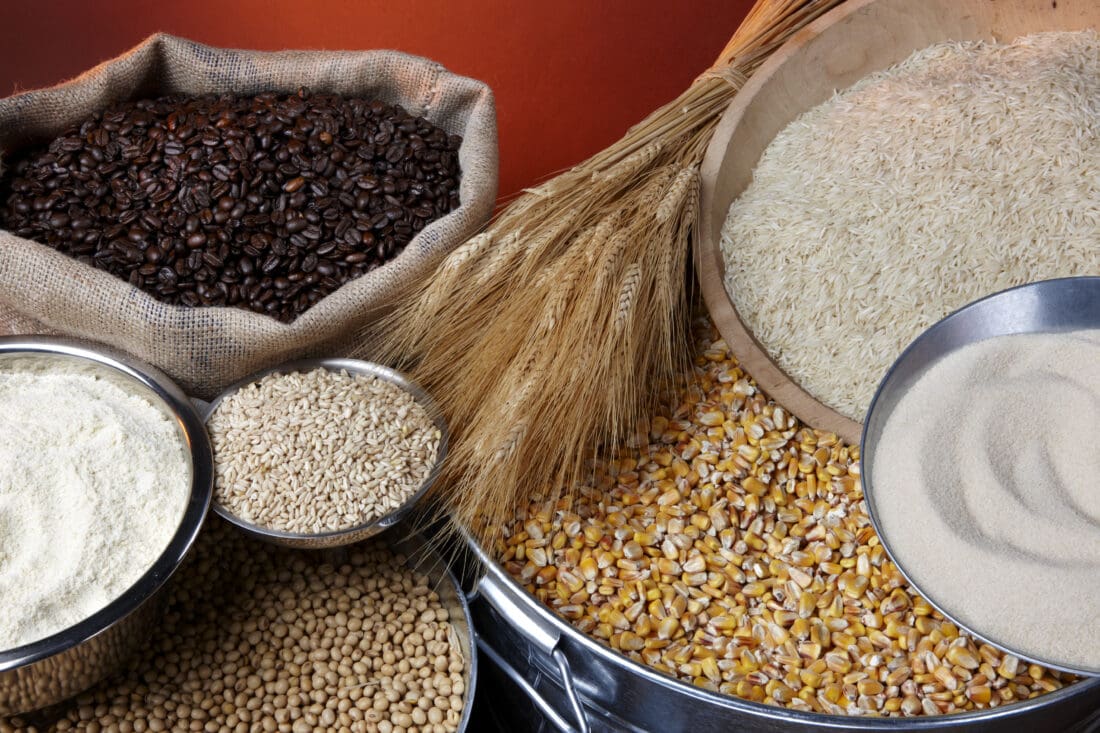
They comprise many of the building blocks that make up the global food supply and can be critical ingredients for use in industries such as textiles, pharmaceuticals, biofuels, and many others. In short, agricultural commodities are essential to both basic human sustenance and survival, along with industrial production.
You may already know that corn can be used for a variety of purposes – from consuming the crop directly as a food source – to the manufacturing of food sweeteners such as high fructose corn syrup. You might also be aware of its role in the production of biofuels like ethanol. But did you know that corn is also used to produce other industrial goods – like envelopes, sandpaper, and is involved in making pharmaceutical products like antibiotics?
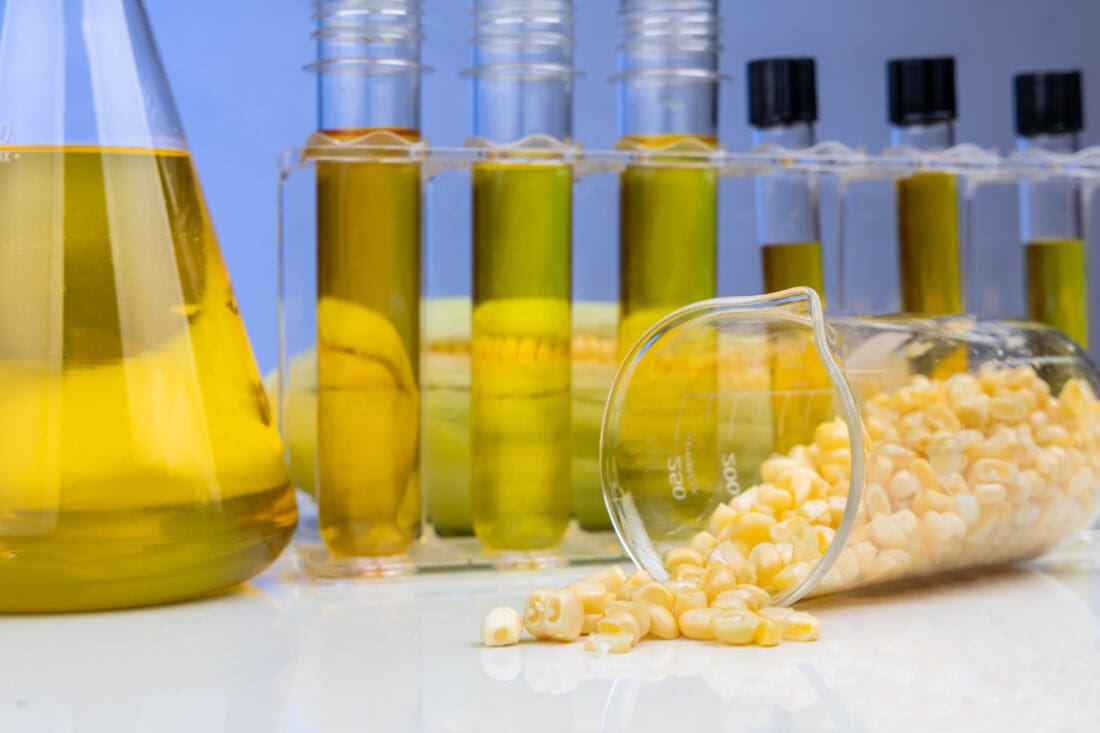
More than farm products….
Overall, agricultural commodities – or “soft commodities” – are much more than simply farm products—they’re also economic drivers, financial instruments, and key components of global trade.
In fact, agriculture, itself, contributes significantly to the U.S. GDP and supports the economy through the creation of millions of jobs across various business sectors — from farm labor and food processing to transportation and finance. And because these commodities are typically heavily traded, their prices can impact inflation, consumer spending, and food security. For instance, a spike in corn prices can lead to higher costs for goods in many other industries, including meat, soft drinks, and fuel – given its roles in livestock feed, corn sweeteners, and ethanol production.
However, unlike most manufactured goods, agricultural commodities are generally produced seasonally, with supply levels influenced by factors such as climate, planting cycles, harvest periods, and disease – all of which can generally pose a great deal of volatility and risk for the markets.
To help combat these risks, traders and investors of agricultural commodities typically turn to certain financial instruments – mainly futures contracts. Indeed, agricultural commodities are vital to the financial markets because they offer a way for producers, consumers, and investors to hedge against price volatility, with futures contracts the primary tool used for this purpose, as they allow stakeholders to lock in prices ahead of time.
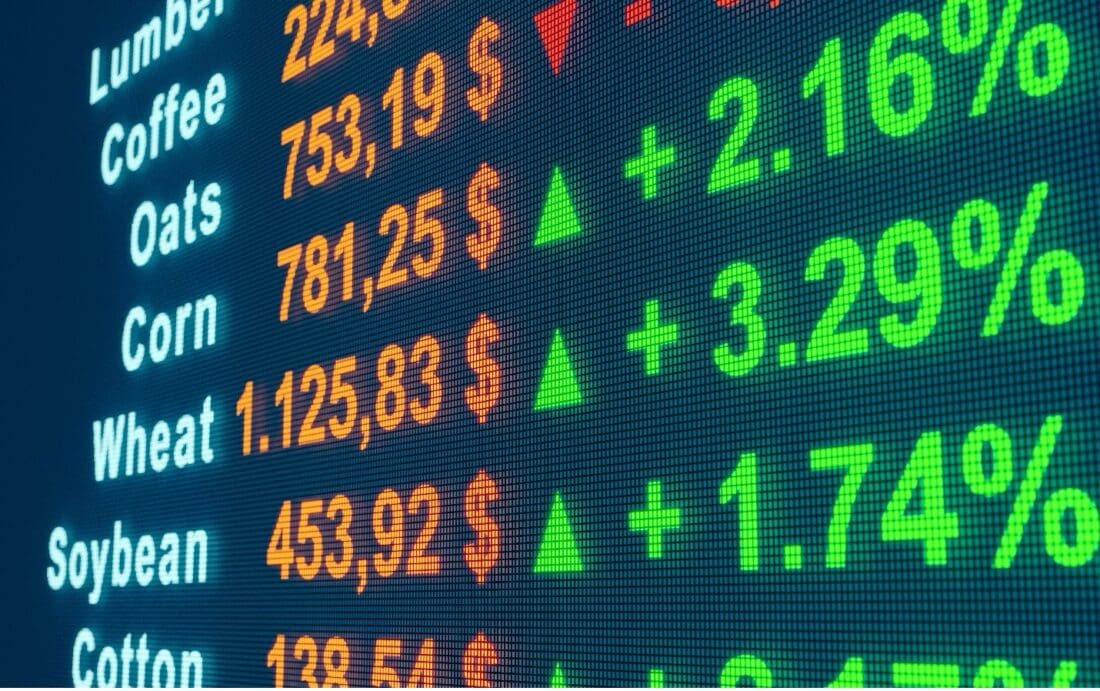
Institutional investors, hedge funds, and commodity trading advisors also trade these contracts as part of broader portfolio strategies – with these markets providing liquidity, price discovery, and risk management—all essential functions for an efficient global economy.
Through this course, we’ll dive more deeply into these topics, as well as highlight the unique roles agricultural commodities can play in the financial markets. And over the next series of lessons, we’ll cover the essentials of what agricultural commodities are, how they’re traded, and the types of participants active in the markets. We’ll also explore some of the major risks these products face, and official reports that can provide some ways that traders and investors can anticipate, and generally mitigate them. We’ll also provide some real-world examples of how agricultural commodities can impact financial markets, economies, and global trade.
The analysis in this material is provided for information only and is not and should not be construed as an offer to sell or the solicitation of an offer to buy any security. To the extent that this material discusses general market activity, industry or sector trends or other broad-based economic or political conditions, it should not be construed as research or investment advice. To the extent that it includes references to specific securities, commodities, currencies, or other instruments, those references do not constitute a recommendation by IBKR to buy, sell or hold such investments. This material does not and is not intended to take into account the particular financial conditions, investment objectives or requirements of individual customers. Before acting on this material, you should consider whether it is suitable for your particular circumstances and, as necessary, seek professional advice.
The views and opinions expressed herein are those of the author and do not necessarily reflect the views of Interactive Brokers, its affiliates, or its employees.









Join The Conversation
For specific platform feedback and suggestions, please submit it directly to our team using these instructions.
If you have an account-specific question or concern, please reach out to Client Services.
We encourage you to look through our FAQs before posting. Your question may already be covered!