
- Solve real problems with our hands-on interface
- Progress from basic puts and calls to advanced strategies
Interactive Options Course
Posted July 16, 2026 at 10:15 am
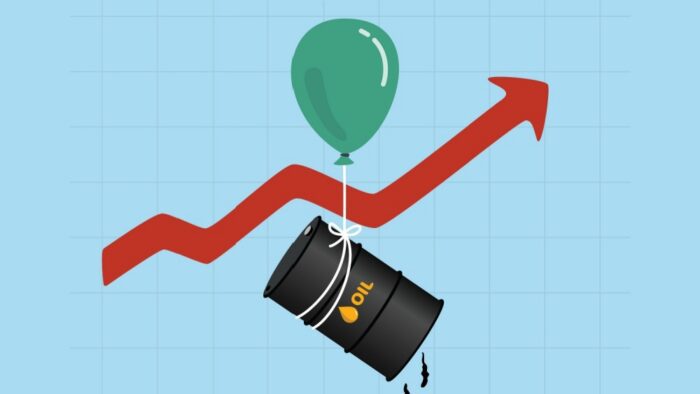
Brent rose above $85 as Tehran told the Houthis to prepare to shut Bab el-Mandeb if the US strikes Iranian power infrastructure.
Oil prices rose after Reuters reported Iran told Yemen’s Houthis to be ready to close the Bab el-Mandeb strait, a key gateway into the Red Sea.
Brent climbed 1.09% to $85.88 a barrel, while US crude (WTI) rose 1.12% to $80.49, as traders weighed the risk that shipping lanes, not oil fields, become the bottleneck. Reuters said Tehran framed the warning as a response if the US strikes Iranian power infrastructure, which would put Bab el-Mandeb in play as traffic through the Strait of Hormuz is already being squeezed. Data firm Kpler estimates 7.4 million barrels per day of petroleum moved through Bab el-Mandeb in June, and before the conflict Hormuz carried roughly a fifth of global oil and liquefied natural gas flows. Even if production is unchanged, threats to these routes can quickly raise war-risk insurance costs and absorb tanker capacity as ships reroute or wait, lifting the “delivered” cost of crude. Some extra Iraqi loadings may help at the margin, but they do not solve a shipping jam if multiple chokepoints look risky at once.
For markets: Bab el-Mandeb’s 7.4 million barrels a day turns oil into a logistics trade.
When a chokepoint threat hits, the market often reprices delivery risk faster than supply risk. The near-term impact tends to show up in prompt Brent contracts because cargoes due in the next few weeks can’t easily be rescheduled, while longer-dated barrels have time to find alternate routes or adjust flows. That’s why time spreads – the gap between near and later oil prices – typically widen and short-run volatility rises, even before there’s proof that global output has fallen. For refiners, shippers, and anyone exposed to near-term energy costs, the front end of the curve is usually where the stress concentrates.
—
Originally Posted July 16, 2026 – Oil Prices Climb As Iran Signals A Red Sea Chokepoint
Information posted on IBKR Campus that is provided by third-parties does NOT constitute a recommendation that you should contract for the services of that third party. Third-party participants who contribute to IBKR Campus are independent of Interactive Brokers and Interactive Brokers does not make any representations or warranties concerning the services offered, their past or future performance, or the accuracy of the information provided by the third party. Past performance is no guarantee of future results.
This material is from Finimize and is being posted with its permission. The views expressed in this material are solely those of the author and/or Finimize and Interactive Brokers is not endorsing or recommending any investment or trading discussed in the material. This material is not and should not be construed as an offer to buy or sell any security. It should not be construed as research or investment advice or a recommendation to buy, sell or hold any security or commodity. This material does not and is not intended to take into account the particular financial conditions, investment objectives or requirements of individual customers. Before acting on this material, you should consider whether it is suitable for your particular circumstances and, as necessary, seek professional advice.
Futures are not suitable for all investors. The amount you may lose may be greater than your initial investment. Before trading futures, please read the CFTC Risk Disclosure. A copy and additional information are available at ibkr.com.
Related Articles















Join The Conversation
For specific platform feedback and suggestions, please submit it directly to our team using these instructions.
If you have an account-specific question or concern, please reach out to Client Services.
We encourage you to look through our FAQs before posting. Your question may already be covered!